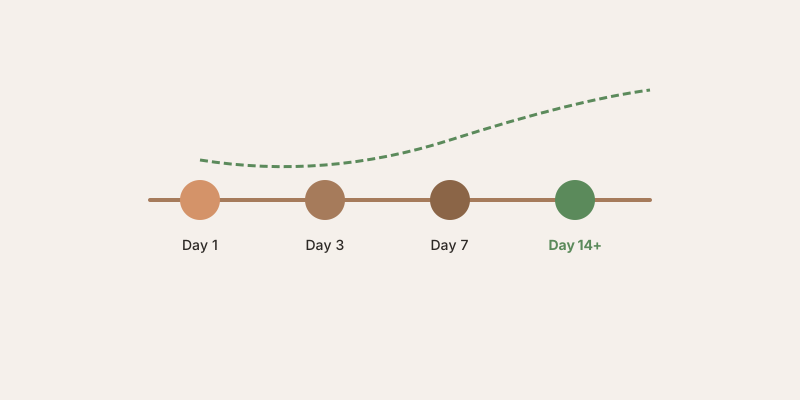
Caffeine Withdrawal Timeline: What to Expect Day by Day
Understanding the caffeine withdrawal timeline helps you prepare for and navigate the process more successfully. This guide breaks down what happens to your body and mind as you reduce caffeine intake.
Understanding Caffeine Withdrawal
Caffeine withdrawal is recognized as an official clinical syndrome. When you regularly consume caffeine, your brain adapts by creating more adenosine receptors. Stopping suddenly leaves those receptors hypersensitive, causing withdrawal symptoms.
Key Facts About Caffeine Withdrawal
- Onset: 12-24 hours after last caffeine dose
- Peak: Days 2-3 (with cold turkey)
- Duration: 2-9 days for acute symptoms
- Full recovery: 1-2 weeks for most people
The Complete Timeline
Hours 0-12: The Calm Before
What’s happening: Caffeine levels are declining in your bloodstream. Your body hasn’t yet noticed the absence.
Symptoms: Usually none yet
What to do:
- Hydrate well
- Get good sleep
- Prepare for tomorrow
Hours 12-24: First Signs
What’s happening: Adenosine begins binding to receptors that caffeine previously blocked.
Possible symptoms:
- Mild headache beginning
- Slight fatigue
- Reduced alertness
- First cravings
What to do:
- Drink extra water
- Don’t fight tiredness—rest if needed
- Avoid stressful activities
Day 1: The Onset
What’s happening: Your body is actively adjusting to the absence of caffeine stimulation.
Common symptoms:
- Headache (most common symptom)
- Noticeable fatigue
- Difficulty concentrating
- Mild irritability
- Flu-like feelings
What to do:
- Take over-the-counter pain relief if needed
- Light exercise can help (but don’t push it)
- Early bedtime is okay
- Stay hydrated
Day 2: The Peak Begins
What’s happening: Symptoms typically reach their maximum intensity. Your brain’s receptor count is at its highest.
Common symptoms:
- Severe headache possible
- Significant fatigue
- Brain fog
- Mood changes
- Possible nausea
- Muscle aches
What to do:
- This is the hardest day—remind yourself it’s temporary
- Clear your schedule if possible
- Cold compresses for headache
- Gentle movement
- Go easy on yourself
Day 3: Turning Point
What’s happening: For most people, symptoms begin improving. Your brain is starting to normalize.
Common symptoms:
- Headache decreasing
- Fatigue still present but improving
- Better focus returning
- Mood stabilizing
What to do:
- Notice improvements—they’re happening
- Continue hydration
- Resume normal activities gradually
- Light exercise is beneficial
Days 4-5: Significant Improvement
What’s happening: Your brain’s adenosine receptors are reducing in number. Natural energy systems are reactivating.
Common symptoms:
- Mild or no headache
- Energy levels normalizing
- Concentration improving
- Sleep often improves
- Occasional fatigue waves
What to do:
- Return to normal routine
- Try morning exercise for natural energy
- Enjoy your improving sleep
- Resist temptation to “test” with coffee
Days 6-7: New Normal Emerging
What’s happening: Most acute symptoms have resolved. Your body is finding its natural rhythm.
What you’ll notice:
- More stable energy
- Better sleep quality
- Clearer thinking
- Reduced anxiety (if previously elevated)
What to do:
- Establish new morning routines
- Find replacement rituals
- Continue tracking progress
Week 2: Full Recovery
What’s happening: Adenosine receptor levels have normalized. Your brain chemistry is back to baseline.
Benefits you may notice:
- Consistent energy throughout the day
- Improved sleep quality
- Reduced anxiety
- Better hydration
- Stable moods
- No more dependency
Symptom-by-Symptom Guide
Headaches (Most Common)
| Characteristic | Details |
|---|---|
| Onset | 12-24 hours |
| Peak | 24-48 hours |
| Duration | 2-9 days |
| Description | Diffuse, throbbing |
| Location | Often behind eyes, temples |
Management Tips:
- Hydration is essential
- OTC pain relievers (short-term)
- Cold compress on temples
- Rest in dark, quiet room
Fatigue
| Characteristic | Details |
|---|---|
| Onset | 12-36 hours |
| Peak | Days 2-3 |
| Duration | 5-7 days |
| Description | Deep tiredness, low motivation |
Management Tips:
- Allow extra sleep
- 20-minute power naps
- Light exposure in morning
- Protein-rich diet
Brain Fog
| Characteristic | Details |
|---|---|
| Onset | Day 1 |
| Peak | Days 2-4 |
| Duration | 3-7 days |
| Description | Difficulty focusing, slowed thinking |
Management Tips:
- Break tasks into small chunks
- Take frequent breaks
- Avoid complex decisions if possible
- Exercise improves cognition
Factors Affecting Your Timeline
Makes Withdrawal Easier
- Lower baseline caffeine consumption
- Shorter history of caffeine use
- Tapering instead of cold turkey
- Good sleep habits
- Regular exercise
- Strong support system
Makes Withdrawal Harder
- High caffeine consumption (400mg+/day)
- Long history (years of daily use)
- Cold turkey approach
- Poor sleep
- High stress
- Additional withdrawal (alcohol, nicotine)
FAQ: Caffeine Withdrawal
How long until I feel normal again?
Most people feel significantly better by day 5-7 and fully recovered by week 2.
Can I work during withdrawal?
Yes, though days 2-3 may be challenging. Consider starting your reduction on a Thursday to have weekend coverage for peak symptoms.
Will I ever enjoy coffee again?
Many people who quit can enjoy occasional coffee without returning to dependency. Others prefer to stay caffeine-free.
Is caffeine withdrawal dangerous?
No, it’s uncomfortable but not medically dangerous for healthy adults. However, if you have health conditions, consult your doctor.
Can I take something for the headaches?
Yes, acetaminophen or ibuprofen can help. Avoid caffeine-containing pain relievers (Excedrin) as they defeat the purpose.
Why Tapering Changes the Timeline
With gradual reduction (tapering), the timeline looks very different:
Tapering Timeline
- Week 1-2: Minimal symptoms, slight fatigue
- Week 3-4: Occasional mild headache possible
- Week 5-6: Smooth transition
- Week 7-8: Nearly symptom-free completion
Key benefit: By reducing slowly (10-25% per week), you avoid the severe symptoms entirely while achieving the same end result.
Track Your Journey with StopCoffee
Our app helps you navigate withdrawal by:
- Creating personalized tapering schedules
- Tracking symptoms over time
- Predicting your timeline based on consumption
- Providing daily guidance and support
- Celebrating your progress
The Bottom Line
Caffeine withdrawal follows a predictable pattern. Knowing what to expect—and that it’s temporary—makes the process much more manageable. Whether you go cold turkey or taper gradually, the discomfort is short-lived, and the benefits of reduced caffeine dependency last a lifetime.
This article is for informational purposes only. Severe or prolonged symptoms should be discussed with a healthcare provider.