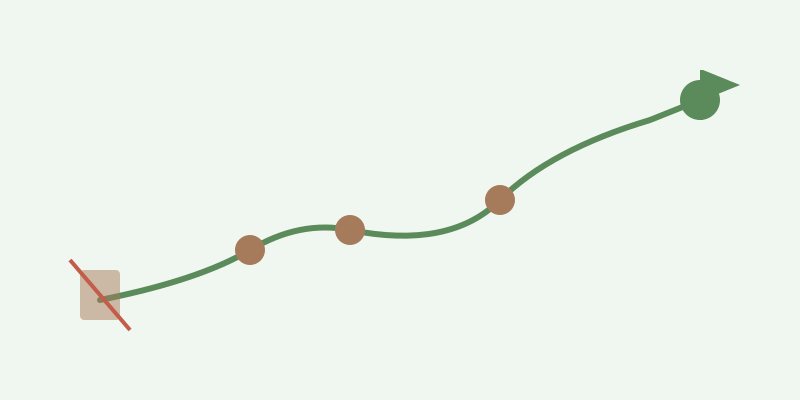
How to Quit Coffee: The Complete Guide
Ready to break free from your coffee dependency? Whether you want to quit completely or just reduce your intake, this comprehensive guide walks you through everything you need to know for a successful caffeine reduction journey.
Why People Quit Coffee
Before diving into how to quit, let’s understand why millions of people are reducing their caffeine intake:
Common Reasons to Quit Coffee
- Better Sleep Quality - Caffeine’s 5-6 hour half-life means afternoon coffee affects nighttime sleep
- Reduced Anxiety - High caffeine consumption correlates with increased anxiety symptoms
- Lower Blood Pressure - Coffee can temporarily spike blood pressure
- Financial Savings - Daily café visits add up to thousands per year
- Freedom from Dependency - Many people dislike needing a substance to function
Signs You Might Benefit from Quitting
- You can’t function without your morning coffee
- You’ve gradually increased your intake over time
- You experience headaches when you miss your usual cup
- Your sleep quality has declined
- You feel anxious or jittery regularly
Two Approaches: Cold Turkey vs. Tapering
There are two main methods for quitting coffee:
Cold Turkey
Stopping caffeine immediately. While faster, this approach typically leads to:
- Severe withdrawal headaches (2-4 days)
- Extreme fatigue
- Irritability and mood swings
- Higher relapse rates
Tapering (Recommended)
Gradually reducing intake over weeks. Benefits include:
- Minimal or no withdrawal symptoms
- Higher success rates
- Life continues normally during reduction
- More sustainable long-term
Our recommendation: Tapering is more effective for most people. The gradual approach allows your brain to adjust naturally.
The StopCoffee Tapering Method
Here’s a proven 8-week plan for reducing or eliminating coffee:
Week 1-2: Awareness Phase
- Track every caffeinated beverage you consume
- Note times, amounts, and how you feel
- Establish your baseline (average daily mg of caffeine)
Week 3-4: 25% Reduction
- Reduce your daily intake by 25%
- If you drink 4 cups, switch to 3
- Keep timing consistent
Week 5-6: 50% Reduction
- Cut down to half your original intake
- Start substituting with decaf or tea
- Monitor for any symptoms
Week 7-8: 75% Reduction and Beyond
- Continue reducing to your goal level
- Establish new morning routines
- Build sustainable habits
Managing Withdrawal Symptoms
Even with tapering, you may experience mild symptoms. Here’s how to manage them:
Headaches
- Stay hydrated (dehydration worsens headaches)
- Use over-the-counter pain relievers sparingly
- Apply cold compresses to temples
- Get adequate sleep
Fatigue
- Allow extra sleep during the first week
- Take short power naps (20 minutes max)
- Light exercise can boost natural energy
- Eat protein-rich meals
Difficulty Concentrating
- Break tasks into smaller chunks
- Take more frequent breaks
- Prioritize important work for peak energy times
- Be patient—this improves within days
Healthy Coffee Alternatives
Finding satisfying alternatives makes quitting easier:
Hot Beverages
| Alternative | Caffeine | Benefits |
|---|---|---|
| Herbal Tea | 0mg | Variety of flavors, calming |
| Green Tea | 25-45mg | Antioxidants, gentle energy |
| Decaf Coffee | 2-15mg | Familiar taste |
| Chicory Coffee | 0mg | Coffee-like flavor |
| Golden Milk | 0mg | Anti-inflammatory |
Natural Energy Boosters
- Morning walk - 10 minutes of sunlight resets circadian rhythm
- Cold water - Splash on face triggers alertness
- Deep breathing - 4-7-8 technique for natural energy
- Protein breakfast - Stabilizes blood sugar
FAQ: Frequently Asked Questions
How long does caffeine withdrawal last?
Typical withdrawal symptoms peak on days 2-3 and resolve within 1-2 weeks. With tapering, you may experience minimal symptoms or none at all.
Can I still have some caffeine?
Absolutely. Many people aim for moderate consumption (100-200mg daily) rather than complete elimination. Find your personal balance.
Will quitting coffee give me more energy?
Initially, you may feel more tired. However, most people report higher, more stable energy levels after 2-4 weeks without caffeine.
Is it safe to quit coffee cold turkey?
While not dangerous for most people, cold turkey increases discomfort and relapse risk. Tapering is generally recommended.
How much money will I save quitting coffee?
Daily café purchases of $5 add up to $1,825/year. Even home brewing costs $500-1,000 annually for quality coffee.
Tips for Long-Term Success
- Replace the ritual, not just the drink - The morning routine matters as much as the caffeine
- Tell friends and family - Social support improves success rates
- Track your progress - Seeing improvement keeps you motivated
- Plan for challenges - Know your triggers and have strategies ready
- Celebrate milestones - Acknowledge your progress along the way
Using StopCoffee App
Our app makes quitting coffee easier with:
- Caffeine tracking - Log drinks from our extensive database
- Personalized plans - Custom reduction schedules based on your intake
- Progress visualization - See your improvement over time
- Daily tips - Science-backed guidance throughout your journey
- Streak motivation - Build momentum with daily goals
The Bottom Line
Quitting or reducing coffee is achievable with the right approach. Tapering provides the gentlest, most effective path to caffeine freedom. Whether you want to eliminate coffee completely or find a healthier balance, the key is patience and consistency.
Ready to start? Download StopCoffee and begin your personalized journey today.
This article is for informational purposes only. Consult a healthcare provider if you have specific health concerns.